How to Start Keto Correctly: Lessons I Learned from a Great Video
I don’t own the video I’m summarizing here, but I stumbled across it recently and thought it was one of the clearest beginner explanations of how to start keto the right way. Because many of my readers ask me about low-carb diets, I wanted to break it down into an easy-to-follow article. If you’ve been curious about keto but overwhelmed by conflicting advice, this should help clarify the fundamentals.
The Goal of Keto
At its core, keto is about changing what your body runs on for fuel. Instead of relying on sugar (glucose), the goal is to shift to fat as your primary energy source. The hormone insulin determines which fuel your body burns. When insulin is high, you burn sugar. When insulin is low, you burn fat.
To lower insulin, you need two main strategies:
- Eat fewer carbohydrates
- Reduce the number of meals you eat each day
This is different from simply “eating fewer calories.” You can eat satisfying, larger meals on keto—you just want to avoid grazing all day long.
Cutting Carbs the Right Way
Starting keto correctly means cutting down on all forms of sugar. That includes honey, agave, brown sugar, white sugar, date sugar—basically anything that spikes insulin. Instead, the video suggested using sugar alcohols (like erythritol or xylitol) or other keto-friendly sweeteners in recipes.
When you’re grocery shopping, reading labels becomes essential. You’ll want sugar content to be as close to zero as possible.
Fruits: Most fruits are off the table because of their sugar content, but berries—strawberries, raspberries, and blackberries—are exceptions you can enjoy in moderation.
Grains and starches: Bread, pasta, cereal, crackers, and potatoes all raise insulin quickly. Luckily, there are substitutes like almond flour for baking or cauliflower for mashed potatoes, rice, and even pizza crusts.
The Exception: Vegetables
Here’s the part that surprises many beginners: keto isn’t all meat and fat. Vegetables are a cornerstone of a healthy ketogenic diet. Aim for at least seven cups a day, especially leafy greens and cruciferous vegetables like kale, broccoli, cabbage, brussels sprouts, and bell peppers.
Eating vegetables first in your meal can help you consume enough before you fill up on protein and fat. Vegetables provide:
- Fiber to feed your gut microbes
- Nutrients like potassium, magnesium, and vitamin C
- Support for stable blood sugar and energy
Protein on Keto: Keep It Moderate
Unlike Atkins or other high-protein diets, keto emphasizes moderate protein intake. Too much lean protein can actually spike insulin levels.
The guideline: eat a portion about the size of your palm at each meal, adjusting for your size, age, and activity level. Focus on proteins that naturally come with fat, such as:
- Fatty cuts of beef, pork, or lamb
- Salmon, mackerel, and other oily fish
- Eggs and cheese (watch for added sugars in processed cheese or deli meats)
- Nuts and nut butters (again, check labels for hidden sugars)
Avoid powders and low-fat proteins when possible. Protein combined with fat helps maintain stable insulin levels.
Fats: The Foundation of Keto
Keto is often called a high-fat diet, but that doesn’t mean unlimited greasy food. It means a higher percentage of calories come from fat, because fat is more calorie-dense than protein or carbs.
You’ll already get fat from your protein sources, but you can also add healthy fats such as:
- Avocado
- Olive oil
- Coconut oil
- Butter or ghee
- Olives
- Nuts and seeds
Adding fats to vegetables is especially helpful because it allows your body to absorb fat-soluble nutrients and phytonutrients.
Fats to avoid: highly processed oils like soybean, corn, canola, cottonseed, sunflower, and safflower oils. These are inflammatory and often found in packaged dressings or mayonnaise. Reading labels is critical.
The Role of Intermittent Fasting
One of the biggest takeaways from the video is that keto works best when combined with intermittent fasting. The idea is to reduce how often you trigger insulin by eating fewer meals.
Practical tips:
- Don’t eat unless you are truly hungry. Learn to distinguish between real hunger and habit snacking.
- Skip breakfast if you can. Start your eating window at lunch instead. If you need something in the morning, coffee with a tablespoon of butter or MCT oil can help.
- Cut out snacking. Even small snacks raise insulin and make you hungrier later. If you feel the urge to snack, add more fat to your next meal so you can last until the following one.
A common approach is eating at noon and again at 6 pm. That creates an 18-hour fasting window and a 6-hour eating window, which is very effective for lowering insulin and supporting fat burning.
Listening to Your Body
A key point the video made is that keto isn’t about constantly feeling stuffed. Hunger is natural, and not all hunger signals mean it’s time to eat. If you’re feeling fine, strong, and in a good mood, you can often push through mild hunger. Real hunger feels different: shakiness, irritability, or noticeable weakness. That’s the time to eat.
Why Vegetables, Protein, and Fat Work Together
The suggested eating order is vegetables first, protein second, and fat third. This order helps with satiety and ensures you get the right nutrients. Combining fat with vegetables also improves nutrient absorption. Protein with fat keeps insulin from spiking too high. The synergy between these food groups is what makes keto sustainable and healthy when done correctly.
Common Mistakes Beginners Make
- Focusing only on meat and fat while neglecting vegetables
- Eating lean protein powders that spike insulin
- Using unhealthy processed oils
- Snacking throughout the day, even on keto-approved foods
- Forgetting that portion sizes still matter, even on keto
Putting It All Together
Here’s an example of how a beginner might start:
- Skip breakfast, drink coffee with butter or MCT oil
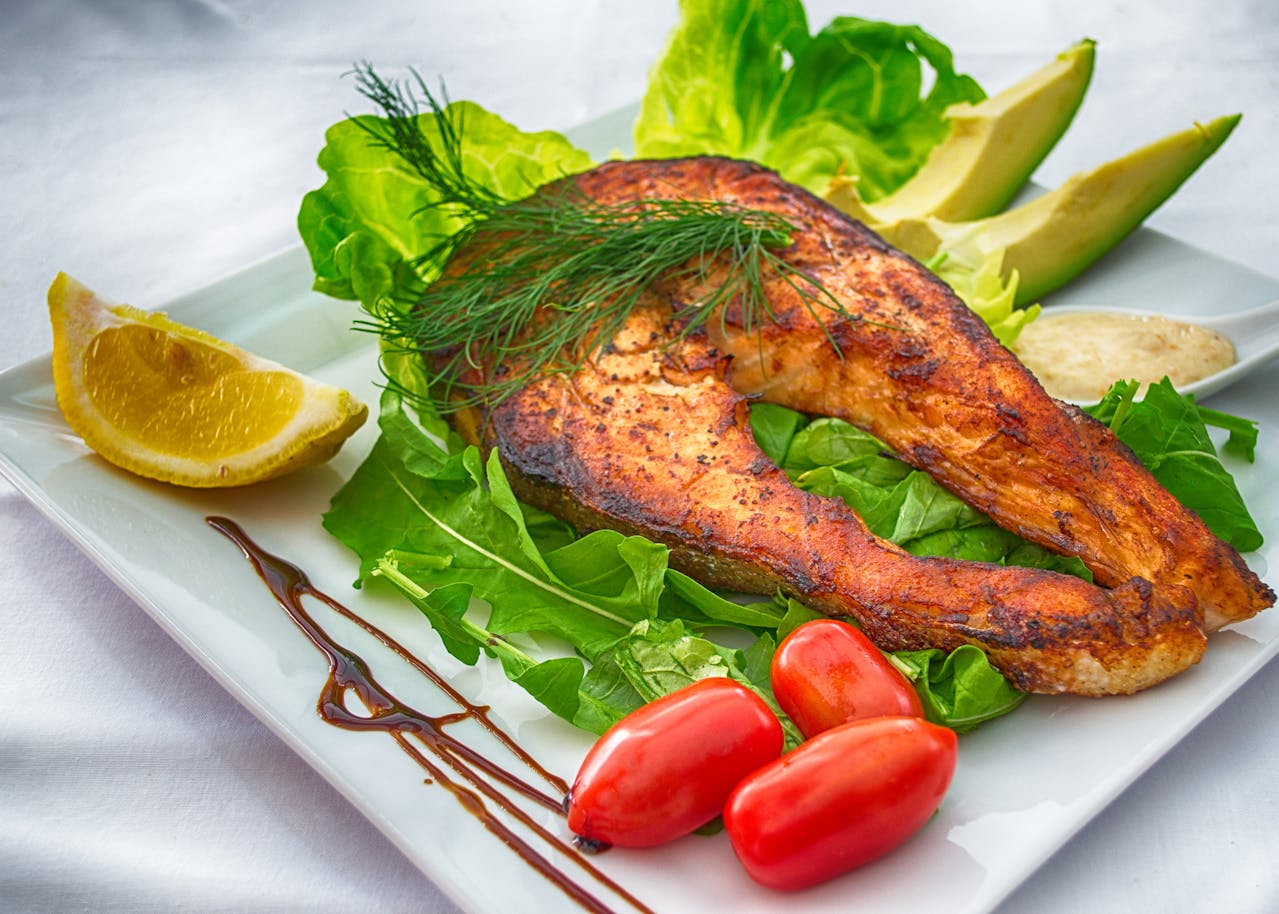
- Lunch at 12: Large salad with olive oil, fatty protein like salmon, roasted vegetables, and avocado
- Dinner at 6: Cauliflower mash with butter, chicken thighs, and sautéed broccoli
- No snacks, just water, tea, or coffee between meals
That’s it. Simple, filling, and aligned with the principles of lowering insulin while providing nutrients.
Final Thoughts
I don’t own the original video that inspired this article, but I wanted to share its wisdom because it really simplifies keto for beginners. The core message is that keto isn’t about eating endless bacon or starving yourself. It’s about lowering carbs, eating moderate protein with healthy fats, embracing vegetables, and reducing meal frequency to lower insulin levels.
If you’ve been thinking about starting keto, this is a smart, balanced way to do it. Always remember that your health comes first—listen to your body, make adjustments as needed, and consult your doctor if you have underlying conditions.


